It is often taken as a given that the government is what creates order and peace in society. Sometimes, this is assumed merely because police and prisons exist, but...
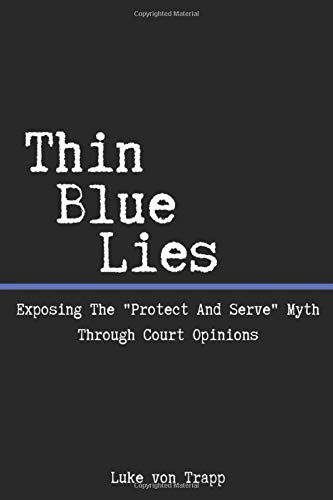
In his short book Thin Blue Lies, the author Luke Von Trapp gives us a very colorful and at times very dark depiction of a corrupt system and its effects on the individuals at large
The recent debate at the SOHO Forum on automation and potential joblessness got me thinking about the issue. One thing that I think Antony never brought up is comparative advantage.
Not every private contract is enforceable. Example: cartels fail because each party benefits if they violate the agreement to refrain from lowering their prices
I truly appreciate the nuance with which Dave approaches the issue—something which tends to be missing by "both sides" on this subject. Despite that, I still had my disagreements
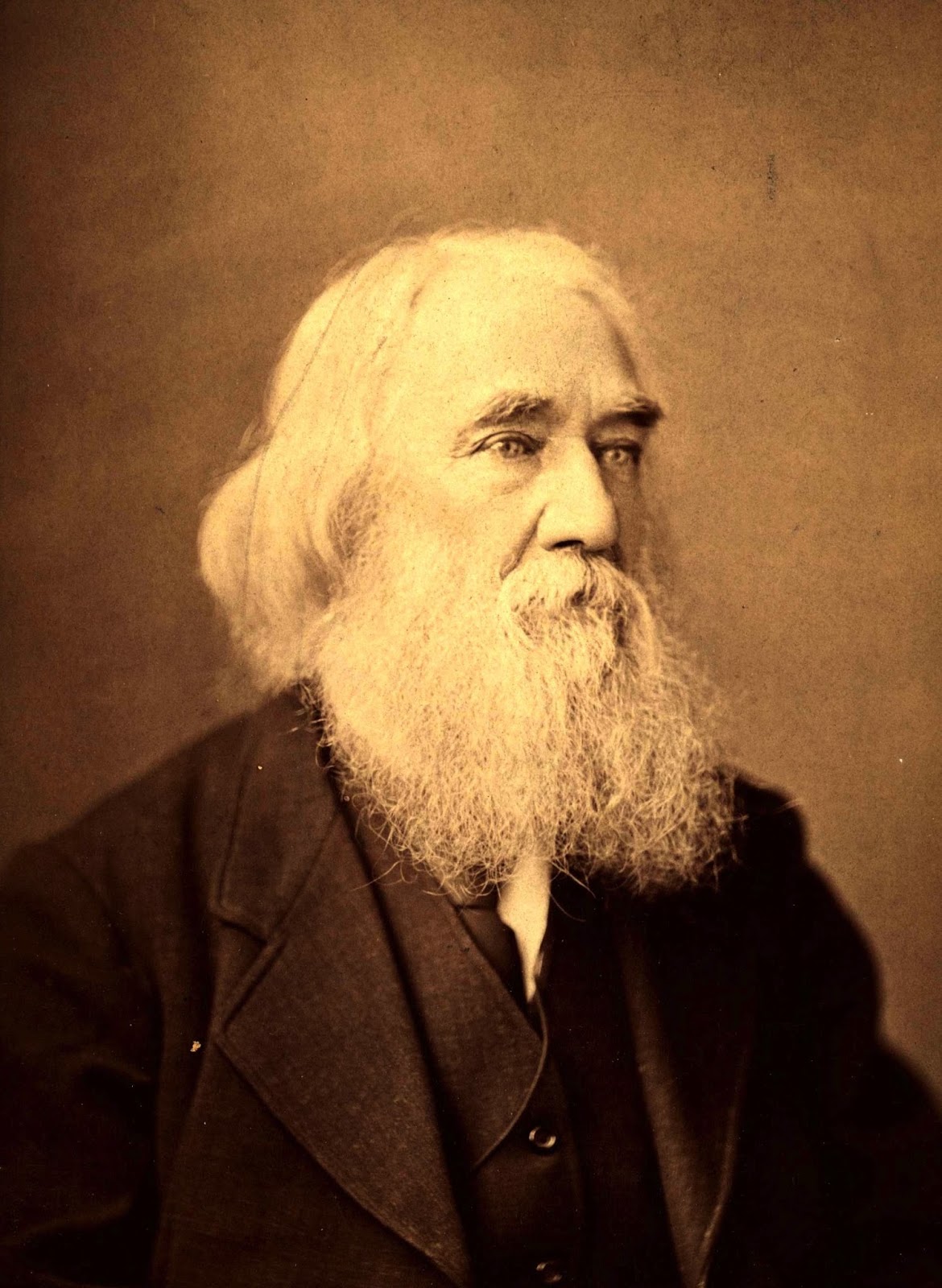
In particular, his work on intellectual property leaves much to be desired. His essay, The Law of Intellectual Property, offers a somewhat confused theory of IP, contains contradictions, and rests on questionable fundamentals.
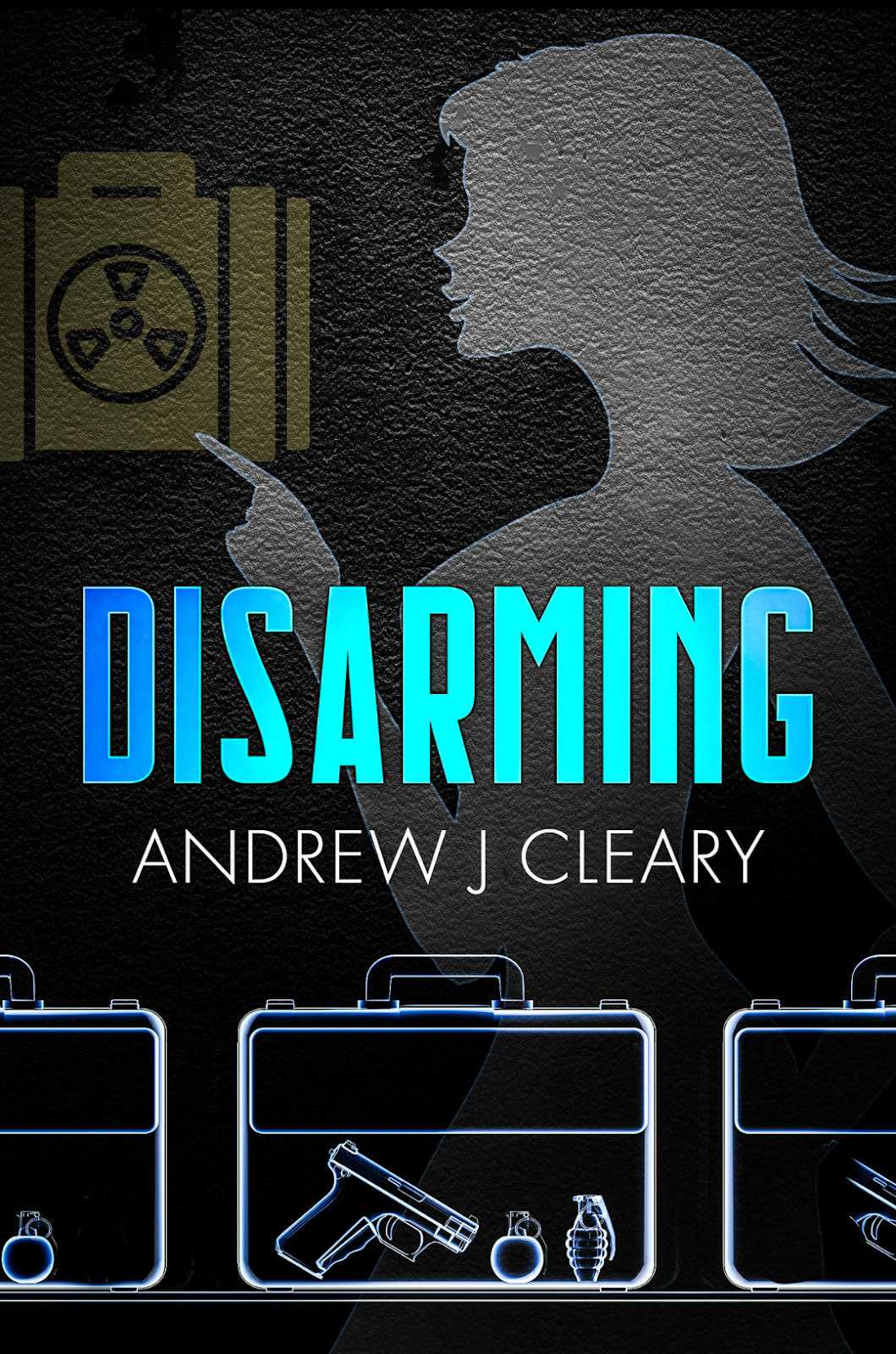
How exactly would a stateless society operate? Take into consideration the complexity of human action and there simply is not a one-size-fits-all answer to this question. However, Andrew Cleary gives us a roll of the dice with his novella Disarming.
“You can’t have open borders with a welfare state.” This common assertion should not be taken as gospel. It depends on a few factors, which are at the very least questionable.